12 secrets you didn't know about Szarvas
Szarvas is known to many for the Dead River, the arboretum or the Water Theatre, but behind them there are many more little Szarvas curiosities and lesser-known stories. These are the „secrets of Szarvas” that may not necessarily be in the classic guidebooks, but they add a lot to the way we see the town. They include historical curiosities, natural curiosities and details that many people may see every day but never think about. We've collected some of these Sarov curiosities to give you a different perspective on the city.
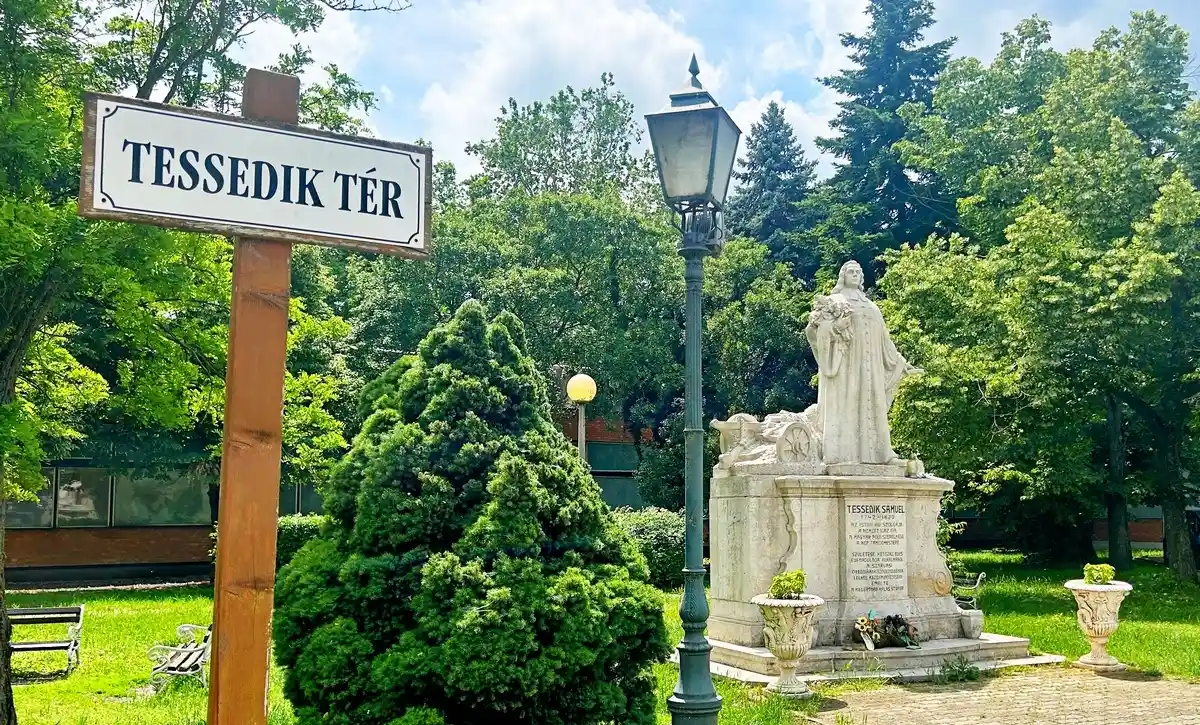
1. Samuel Tessedik - advocate of acacia
This is the name given to Tessedik, because he did a lot to make acacia one of the most widespread wood species in Hungary, suitable for afforestation and economic use.
In Szarvas, he helped the spread of acacia by planting experiments, recognising that it thrives on sandy, poorer soils. Thanks to his work, acacia spread rapidly through the region and is still one of the most distinctive species in the Plain.
2. Why is the Szarvas Arboretum called Pepi Garden?
The arboretum was founded in 1940 by the Italian-born Paul Bolza. He named it the Pepi Garden in memory of his grandfather, Joseph Bolza (Giuseppe - Peppe - meaning Józsi), who started planting the garden around 1885, for a different purpose at that time.
3. The experimental history of the Szarvas Arboretum
A Szarvas Arboretum - or Pepi Garden was originally (around 1885) not intended as an ornamental garden, but for plant application and experimentation. This is why the garden's plant collection is so special. It has been a nature reserve since 1943 and is now one of the most popular gardens in Szarvas. leisure programme is.
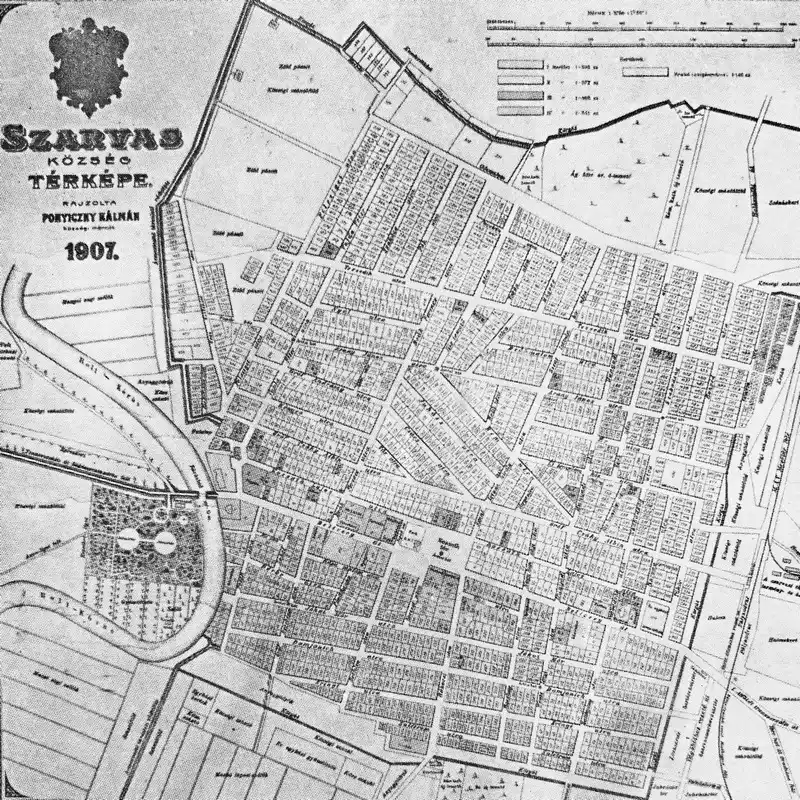
4. The city has a surprisingly regular structure
One of my favourite things about Sarva is the city's street network. If you look at it on a map, it follows a strikingly orderly, almost grid square layout. This is no coincidence: Samuel Tessedik deliberately designed the structure of the town this way after its repopulation.
For this reason, we have the feeling that the city is more “transparent” than many other municipalities in the lowlands.
This type of planned structure used to reflect a distinctly modern approach, as the foundations were not laid by spontaneous growth but by conscious urban planning. As a result, the main streets and squares are still logically connected, making it much easier to find your way around.
5. The special location of the Szarvas Aquatic Theatre on the Dead River
A Water Theatre of Szarvas is unique because it exploits the potential of the Dead River: it is not a “retrofitted” attraction, but a cultural space that has become a natural part of the waterfront.
6. The Dead Red is not a natural river
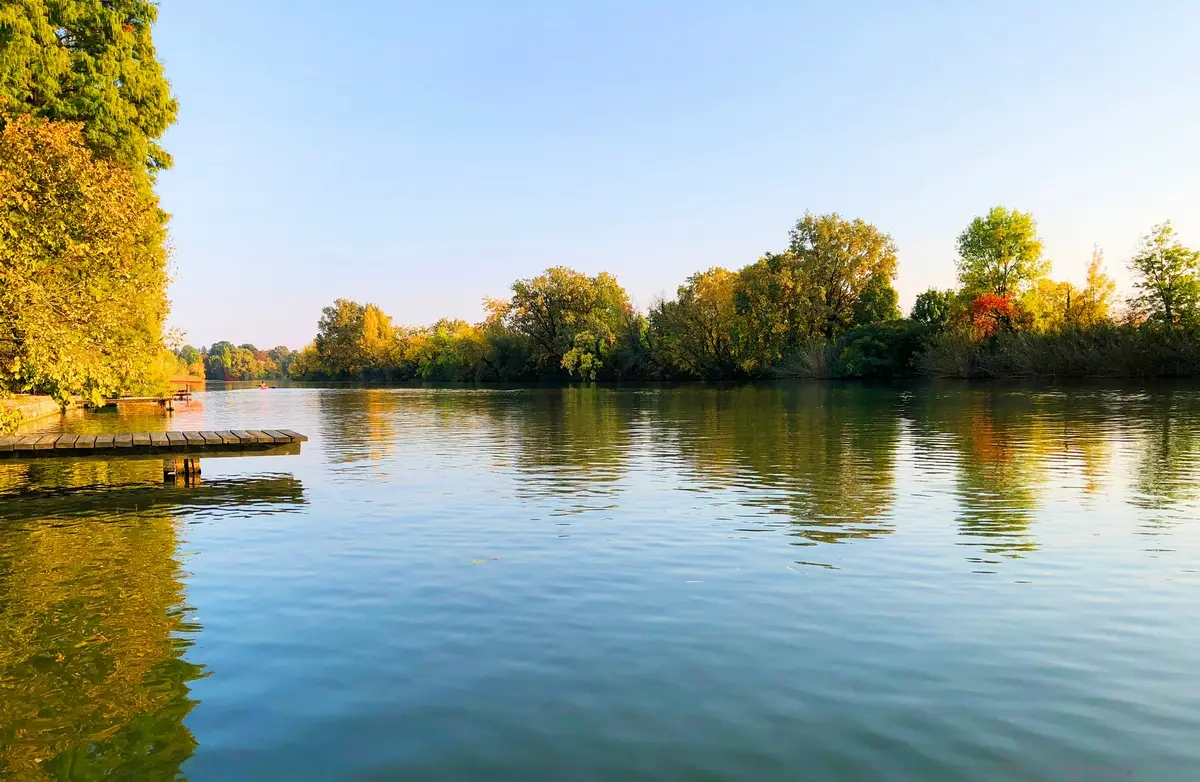
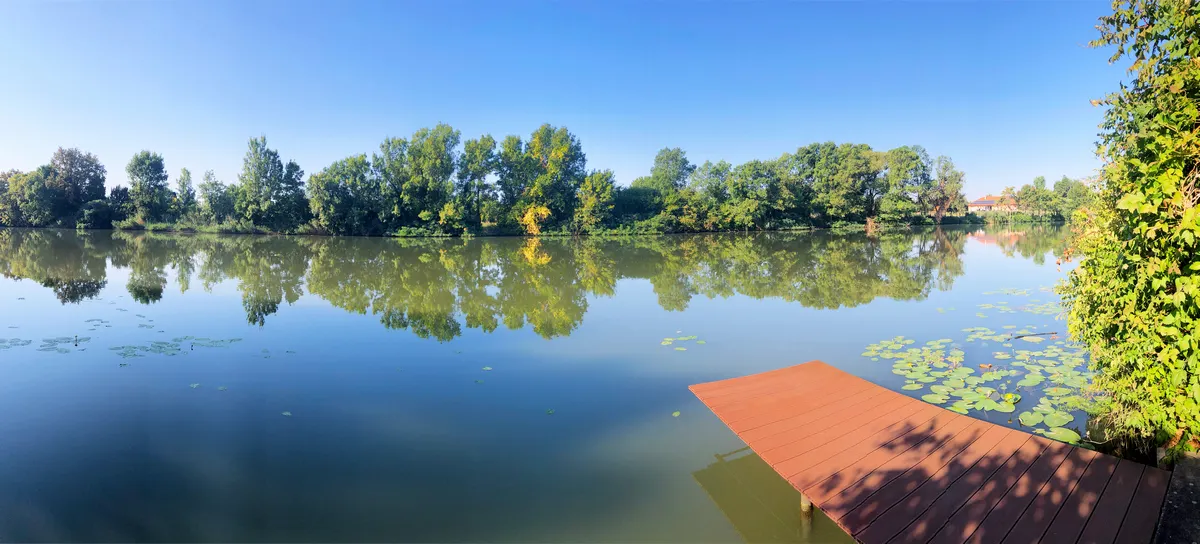
Few people know that the Szarvas Dead-Cirque is not a “classic” river, but a cut-off meander, a slow water exchange system. It has no one-way flow, which gives it its special, almost stagnant water character. This is why it is so calm and gives a completely different experience from a drifting river. It is no coincidence that the water options in Szarvas also have a very different atmosphere here.
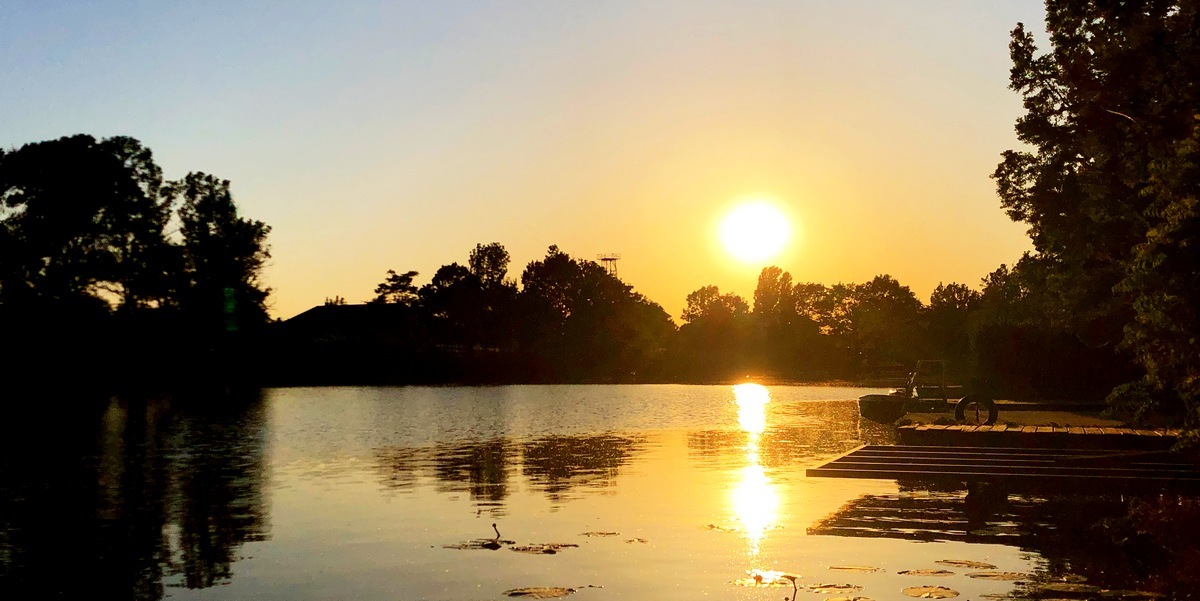
Because of the local water level regulation, if you go out to the direct landing stage of the holiday home in the morning, you can see whether the water is flowing to the left or to the right that day:) It's these small, calm waterfront moments give the place its real atmosphere.
7. Hungary's only working dry mill
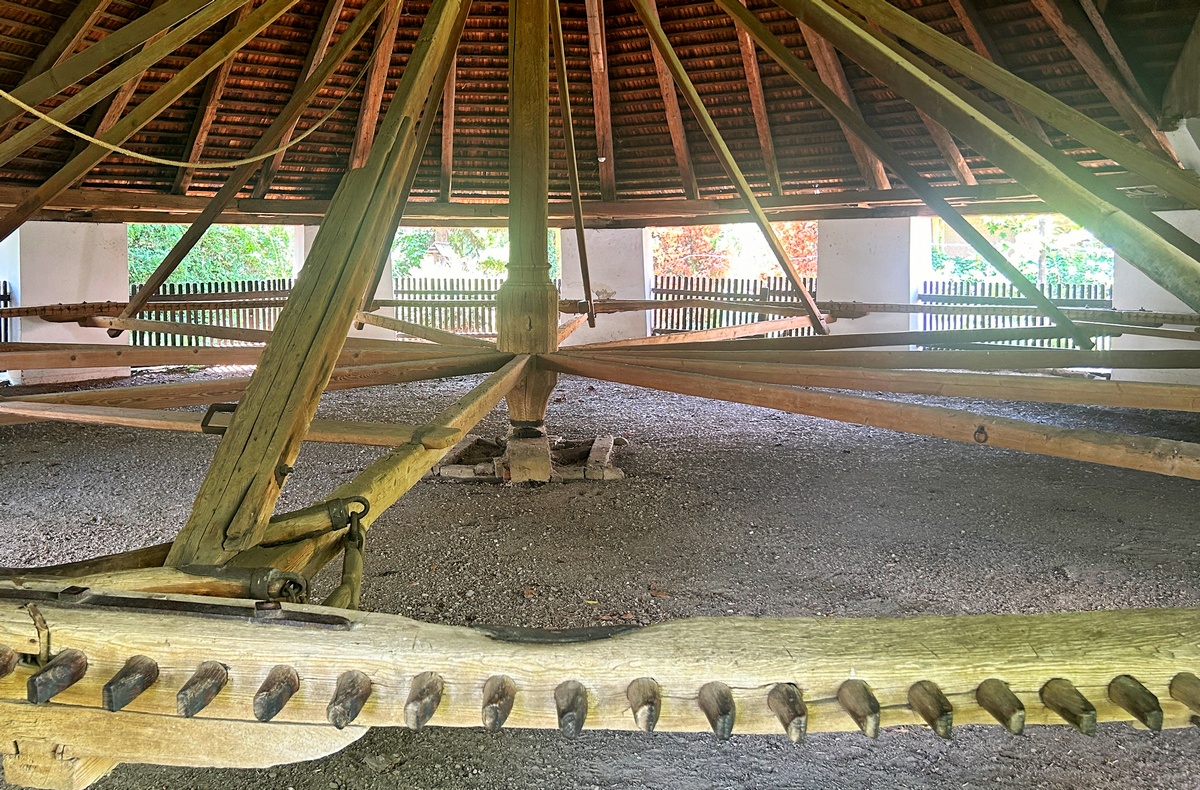
Hungary's only functioning drying mill is still open to the public, giving a rare glimpse into the technical solutions of the past and the way of life of the past. The unique mill structure is not powered by water or wind, but by human power. About the mill and For more information on the cultural values and attractions of Szarvas, see the article below we wrote more about.
8. History and thermal waters of St Clare Spa
A St Clare Spa was already in operation at the end of the 19th century: it was a steam and bath bathing establishment, so the place has a long and evolving history. The spa's water comes from its own well, which is about 570 metres deep, meaning that it has a completely independent water supply - a rarity for a small town spa. Today it is not only a local historical interest, but also a key part of a holiday in Sarva, which can be booked as an optional extra at the time of booking. Recharge in Szarvas - Wellness Experience Package can also be conveniently incorporated into your relaxation.
9. Operating sundial in the centre of Szarvas
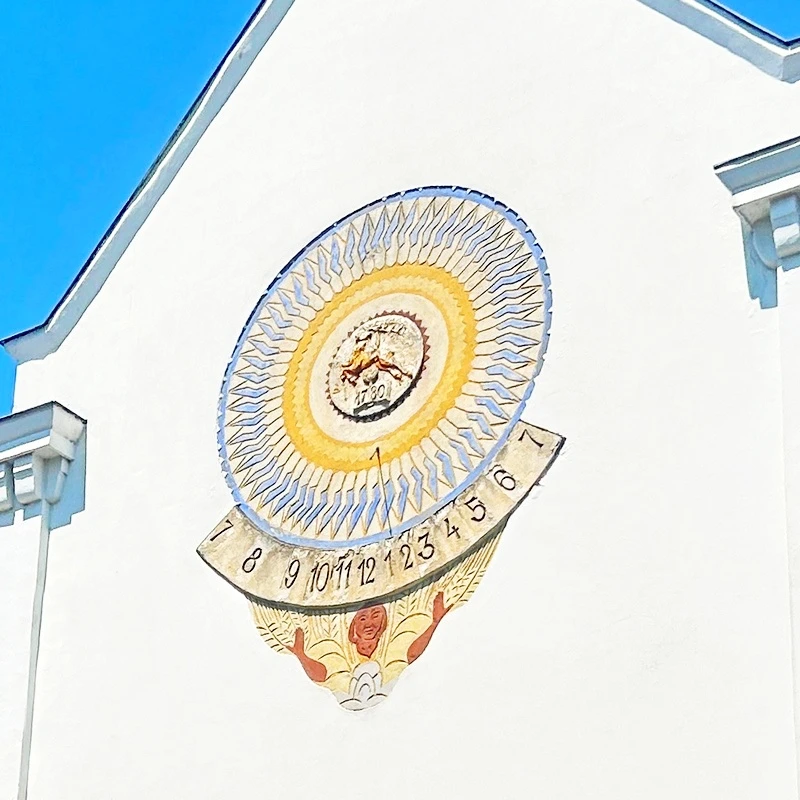
At the beginning of Petőfi Street, on the wall of a tall building, you can see a sundial that is not only an ornament, but also a real working timekeeping device. During sunny hours, it shows the local time of day based on its shadow, i.e. the time determined by the actual position of the sun. This means that it does not work according to our modern, „standardised” clocks, but follows the movement of the sun, so it is always a little bit in tune with the rhythm of nature.
Sundials used to be quite commonplace, but today they are more of a curiosity, which is why it is interesting to find one in the centre of Szarvas. Walking up Main Street, looking a little higher, you are transported back to an older world, when people didn't live by clocks but by nature.
10. Jewish cemetery in Szarvas
A Jewish cemetery in Szarvas is one of the city's lesser-known but important historical sites. It is a quiet, understated place, a reminder of the former life and presence of the Jewish community of Sarva. Although not a classic tourist attraction, it is an important part of the city's colourful past.
11. The story of the statue of Romulus and Remus at the bridge of Deer
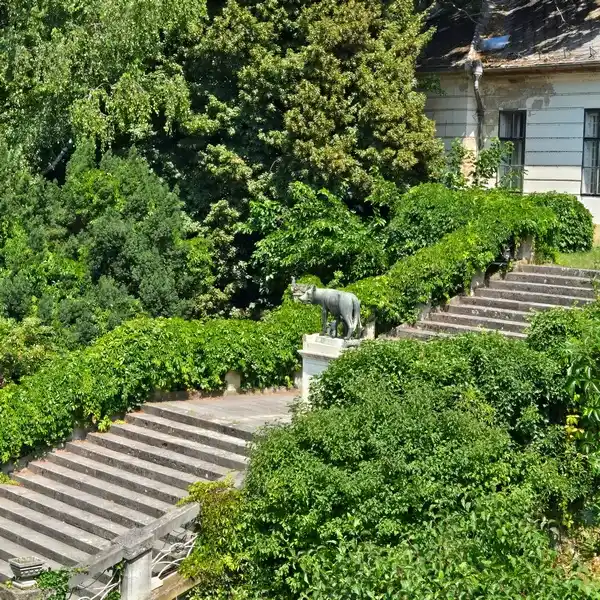
Passing over the Sarov Bridge, one of the first and most striking sights is a beautiful statue of Romulus and Remus. Many people ask why this mythological scene is the one that greets visitors?
The statue belongs to the Bolza Castle Park. The Bolzas were key figures in the history of Szarvas: they did a lot for the development of the town, the founding of the arboretum, the landscaping and the creation of the present-day wooded and grove-like environment.
The Bolzas were a noble family of Italian descent, which is thought to be the reason why the famous statue of Romulus and Remus was placed on the banks of the Dead Sea.
12. Memorial plaques and the Palov family heritage in Sarov
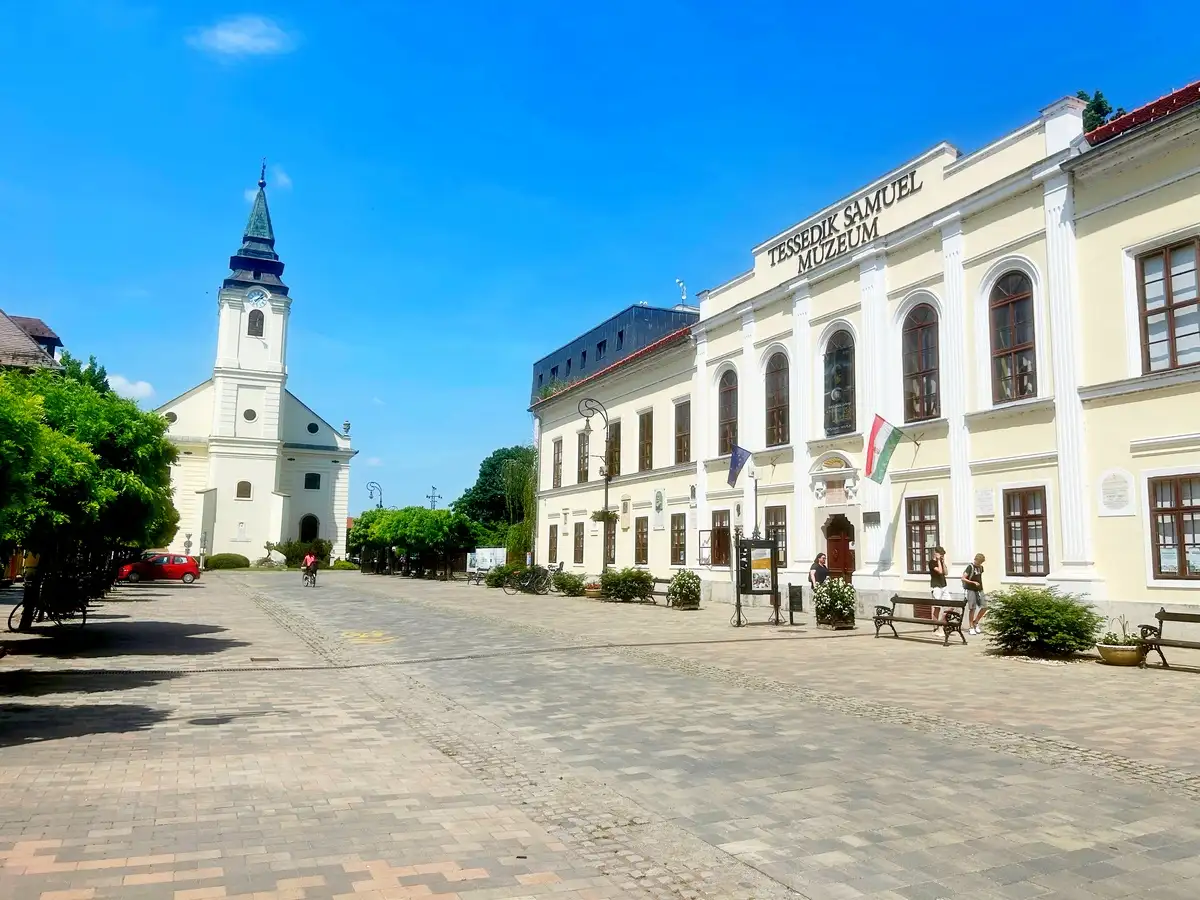
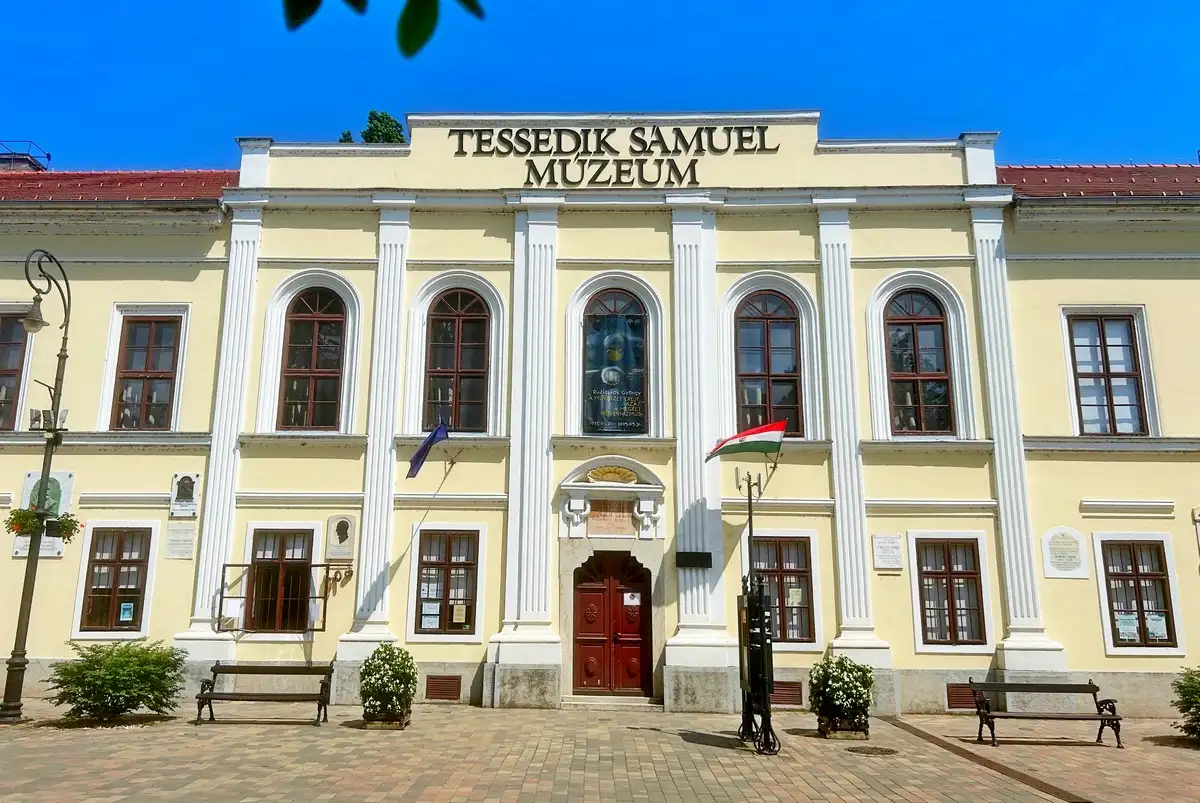
As the in our cultural article on the Sarvas As already mentioned, the Palov's holiday home is named after the Palov family. Our grandfather, Dr. József Palov, was the founder of the Samuel Tessedik Museum, and his memorial plaque can be seen on the wall of the museum. Aunt Sárika Palov, as she was known in the town, was a primary school teacher, so she started teaching practically the whole population of the town. Their daughter, Dr. Katalin Palov, was one of the town's most respected internists and was actively involved in the renovation of the St. Clare Spa. Her memorial plaque can be seen in the St. Clare Spa. Read more about her. The history of the Palov Family.
Interesting facts about Szarvas - why explore the city in more depth?
These curiosities show that Szarvas is unique not only for its best-known attractions. The real value of the city often lies in these hidden details: the tidy streets, the proximity of water, the layers of history and the places you might not notice at first glance. The more we know about it, the more we see that Szarvas is not a “one-see” town, but a place worth exploring slowly, in its many layers.
Maybe that's why a waterfront holiday in Sarvac works so well: when you don't just „see” the city, but also take the time to live it - even sitting on the private deck of Palov's Guesthouse on the banks of the Körös, where these little details add up to a complete experience.